

The Aesculapian snake, also known as the "Staff of Asclepius" or "Rod of Asclepius," is a symbol deeply rooted in ancient Greek mythology and medicine. This serpent-entwined staff has become an iconic emblem of healthcare professionals worldwide. But have you ever wondered about the fascinating creature behind this symbol? Let's delve into the world of Aesculapian snakes and uncover their intriguing history, characteristics, and significance.
What are Aesculapian Snakes a short analysis?
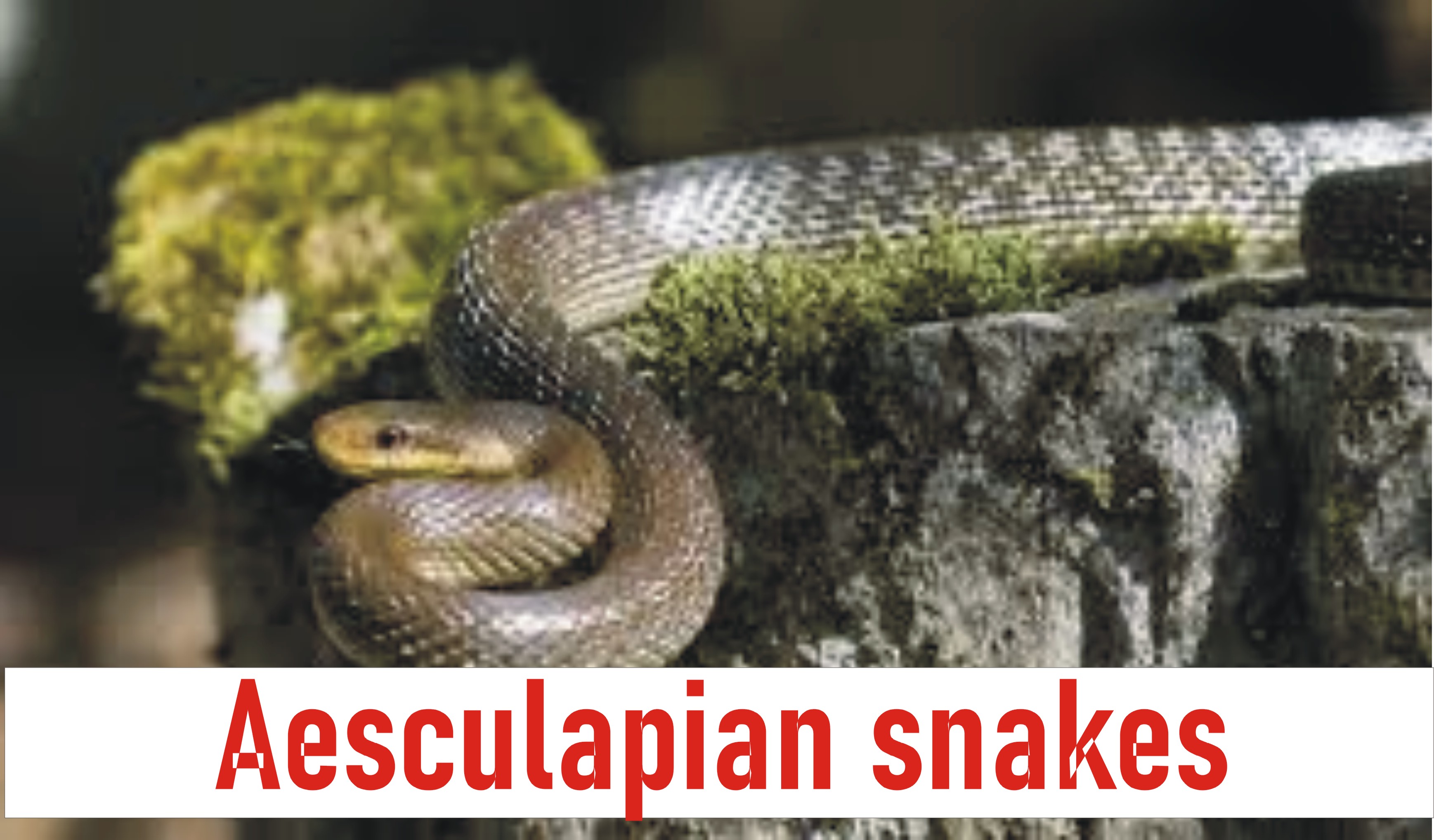
Aesculapian snakes (Elaphe longissima) are a non-venomous species of snakes native to southeastern Europe and parts of Asia. They belong to the family Colubridae and are known for their striking appearance, with a slender build, brownish-gray color, and distinctive markings.
Mythological Significance of Snakes
In ancient Greek mythology, the Aesculapian snake was closely associated with Asclepius, the god of medicine and healing. According to legend, Asclepius was able to restore the dead to life using a magical staff with a serpent entwined around it. This staff, known as the "Rod of Asclepius," became a powerful symbol of healing and medicine.
Characteristics and Habitat of Snakes
Aesculapian snakes are relatively large, with adults reaching up to 2 meters (6.6 feet) in length. They are found in a variety of habitats, including forests, grasslands, and rocky areas. These snakes are skilled climbers and are often found in trees or bushes.
Behavior and Diet
Aesculapian snakes are primarily diurnal and are known for their agility and speed. They are carnivores and feed on small mammals, birds, and reptiles. These snakes are also skilled hunters, using their sharp eyesight and agility to catch their prey.
Conservation Status of this
Aesculapian snakes are listed as "Least Concern" on the IUCN Red List, although their populations are declining in some parts of their range due to habitat destruction and fragmentation.
Conclusion of this Article
The Aesculapian snake is a fascinating creature with a rich history and cultural significance. From its association with ancient Greek mythology to its modern-day symbolism in the medical profession, this snake has captivated human imagination for centuries. As we continue to learn more about these incredible animals, we are reminded of the importance of conservation and preserving the natural world for future generations.
Interesting Facts of this Blog
Aesculapian snakes are also known as "healing snakes" due to their association with Asclepius.
In some parts of Europe, Aesculapian snakes are considered a symbol of good luck.
These snakes are able to climb trees and are often found in arboreal habitats.
Imran Siddiqui Composing Centre Koh-e-Noor Town Piplan (Mianwali)
imransiddiquipiplan@gmail.com
+92 301 6353060
© Techupdates.pk. All Rights Reserved. Designed by Hashtech


